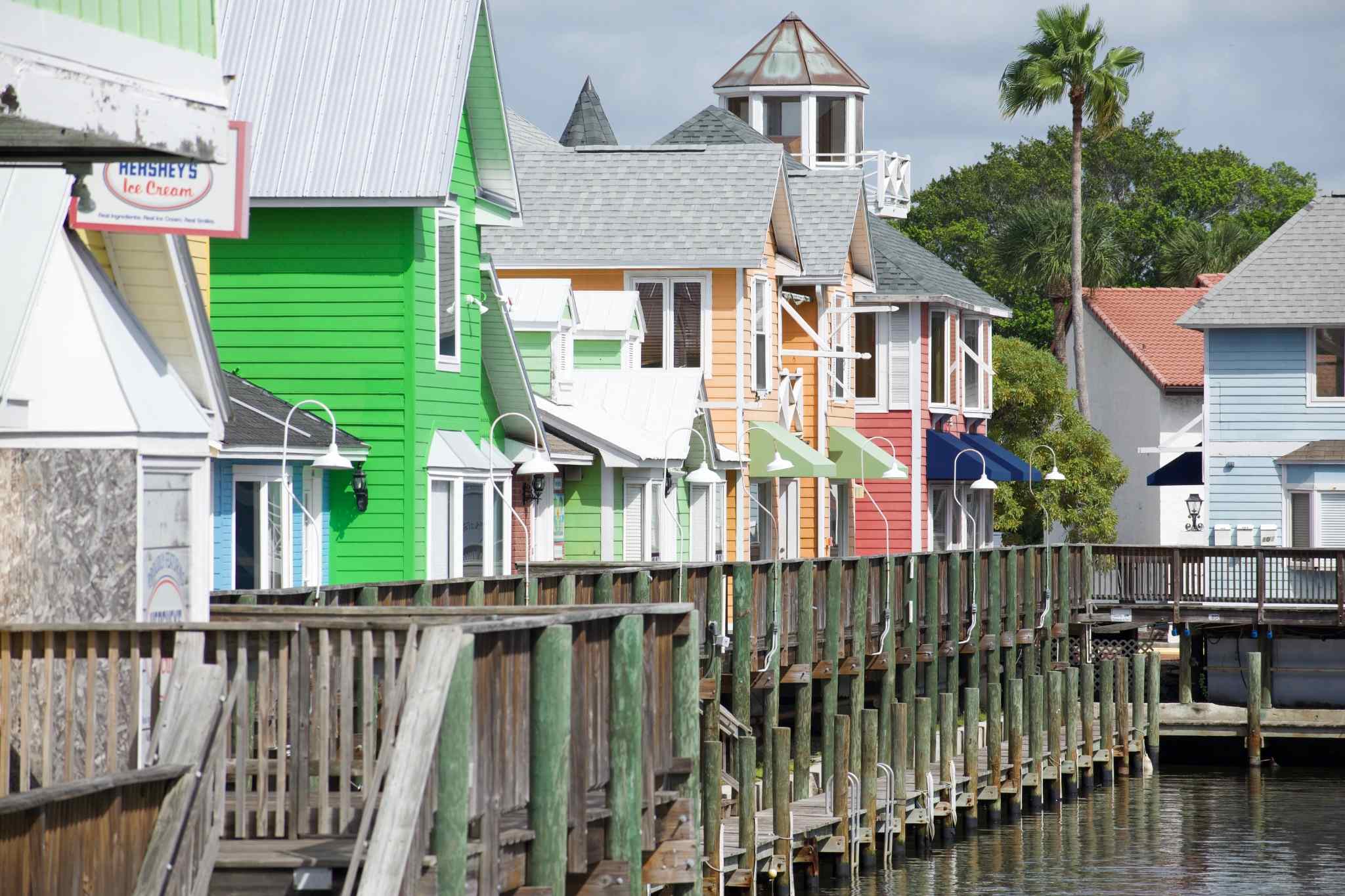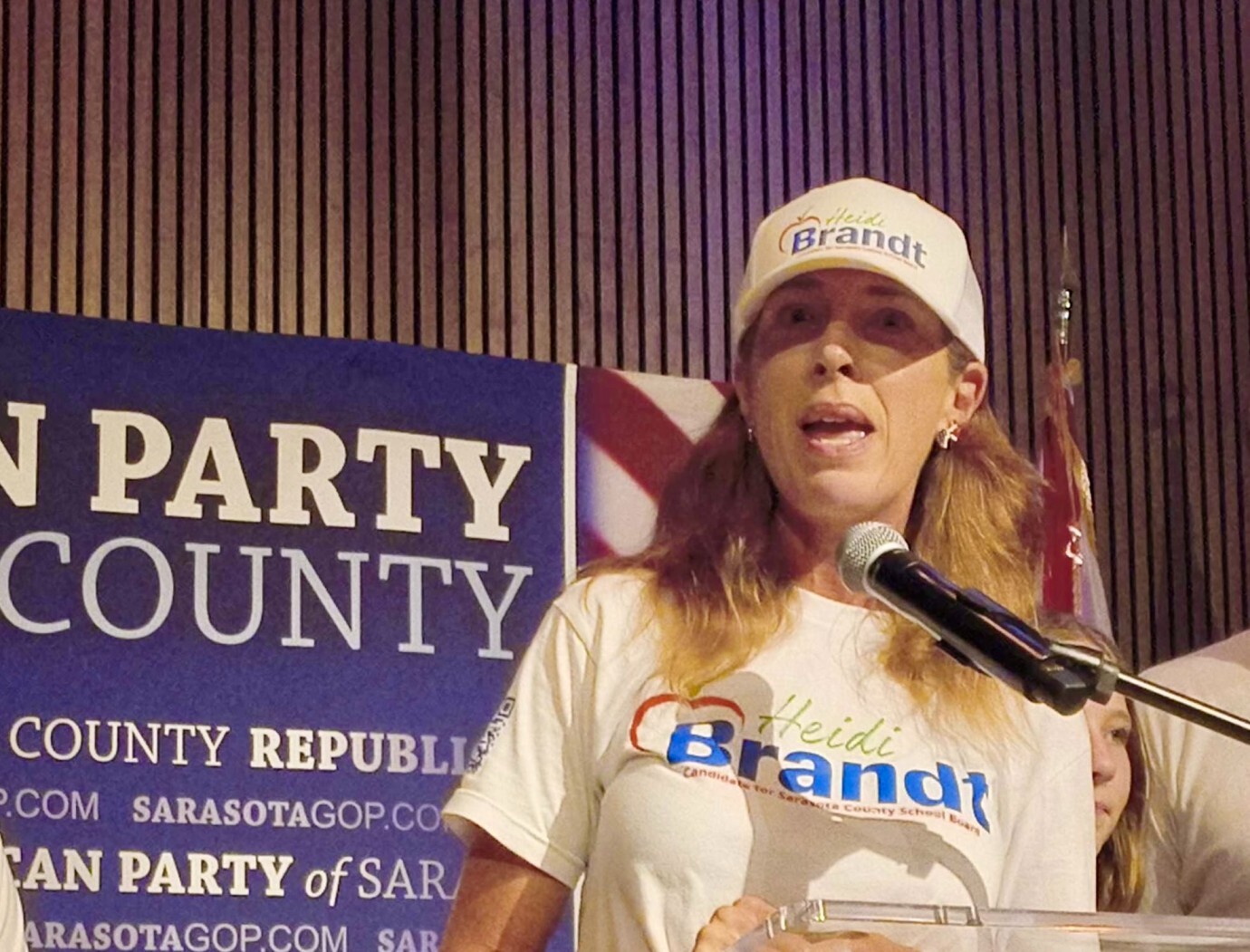

A judge rejected the county's effort to restrict Live Local developments in rural areas, a decision that could affect several other pending lawsuits. | Suncoast Searchlight illustration using photos by Lily Fox for Suncoast Searchlight and GTD Aquitaine via Wikimedia Commons
Judge deals death blow to Sarasota County’s fight against Live Local Act
A judge’s ruling this week could clear the way for more than 7,600 apartments in rural Sarasota County, dealing a major blow to local officials and residents who have fought to keep large-scale developments out of neighborhoods traditionally reserved for homes on sprawling lots.
In a decision issued Tuesday, Circuit Judge Hunter W. Carroll rejected Sarasota County’s argument that Florida’s controversial Live Local Act does not apply in certain rural areas with limited commercial use. He instead ruled that the county must allow a proposed development of more than 600 apartments near Celery Fields, a popular bird sanctuary and major stormwater facility, to move forward in the review process.
Although the ruling applies only to the proposed development near Celery Fields, its implications extend far beyond that property. It marks the first major legal test of the county’s efforts to block such projects, with five other developers having filed similar lawsuits challenging the county’s interpretation of Live Local. Four of those are still pending before the same judge.
At the heart of the dispute is whether Sarasota County has the authority to decide where such developments belong — or whether state lawmakers have usurped that power.

“This case is not whether building apartments next to the Celery Fields is wise,” Carroll wrote in the Nov. 4 order. “Instead, this case is whether the Florida Legislature has prevented Sarasota County from determining whether this is wise.”
The stakes are high in Sarasota County’s rural communities, where zoning has traditionally allowed just one home per 5 acres. Developers have proposed at least 18 large-scale apartment projects in such areas under Live Local, a state law intended to encourage affordable housing by allowing developers to bypass traditional public hearings and certain local zoning restrictions.

On the popular bird tracking app eBird, Celery Fields is ranked as the third most popular birding hotspot in Florida. Photo provided by Sarasota County.
Lawmakers pitched the 2023 Live Local Act as a way to fast-track affordable housing near urban centers by cutting through red tape to build large-scale apartment complexes. In exchange for allowing rents based on households earning less than 120% of the area’s median income, developers can skip traditional public hearings and sideline local officials from any input.
The measure was amended in last year to further loosen restrictions after local governments across the state like Sarasota County blocked Live Local projects. The amended law required Live Local developments to proceed in any zoning district that allowed some commercial or industrial uses.
Local developers seized on the amendment to push deep into rural areas, sparking widespread backlash from residents who fear the massive developments would destroy the character of their communities. Many have organized rallies and hired lawyers themselves to fight back.
Sarasota County officials sought to block the projects by arguing that the limited commercial uses permitted in rural zoning districts — such as veterinary clinics and plant nurseries — are ancillary to the underlying rural nature of those areas.
Developers countered that the county was violating state law by refusing to process their applications, setting the stage for a series of legal challenges.
“My client will not back down,” Christopher Oprison, an attorney representing one of the Live Local developments, previously told Suncoast Searchlight. “He will not be pushed around by this county commission.”
Sarasota County could appeal the decision, though the county attorney has been wary of the strength of their case from the beginning.

County Attorney Joshua Moye, pictured here during the April 7 Commission meeting, argued in a memo that if developers challenge the exclusion of rural zoning categories, defending the decision “would be an uphill battle given the strict language of the Live Local Act.” | Screen grab from the Sarasota County Commission meeting livestream
Before the county moved to take an aggressive stance on Live Local, County Attorney Jouhua Moye warned of an “uphill battle” in court if the commission attempted to block the projects.
On Wednesday afternoon, he delivered the news that his prediction had come true.
“I can assure you that our office did its best and threw everything we had at defending the board’s policy decision,” Moye told commissioners. “We all knew it was an uphill battle going against the plain language of the Live Local Act.”
Moye said he would review the effect that the ruling would have on the other active lawsuits. The Live Local Act allows winners in court cases the ability to recover court costs up to $250,000.
After Moye delivered the news, Commissioner Teresa Mast got unanimous support from the board to hold a more robust discussion about the issue at its next meeting on Nov. 17.
“This is going to be a very significant conversation,” Mast said. “This is not what we had hoped for … I really want to grapple and understand the ramifications of some of these decisions.”
Derek Gilliam is a watchdog/investigative reporter for Suncoast Searchlight and previously covered real estate, development and local business for the Sarasota Herald-Tribune. Email Derek at derek@suncoastsearchlight.org.